The Burnt Orange Heresy

The Burnt Orange Heresy

Charles Willeford

Charles Willeford

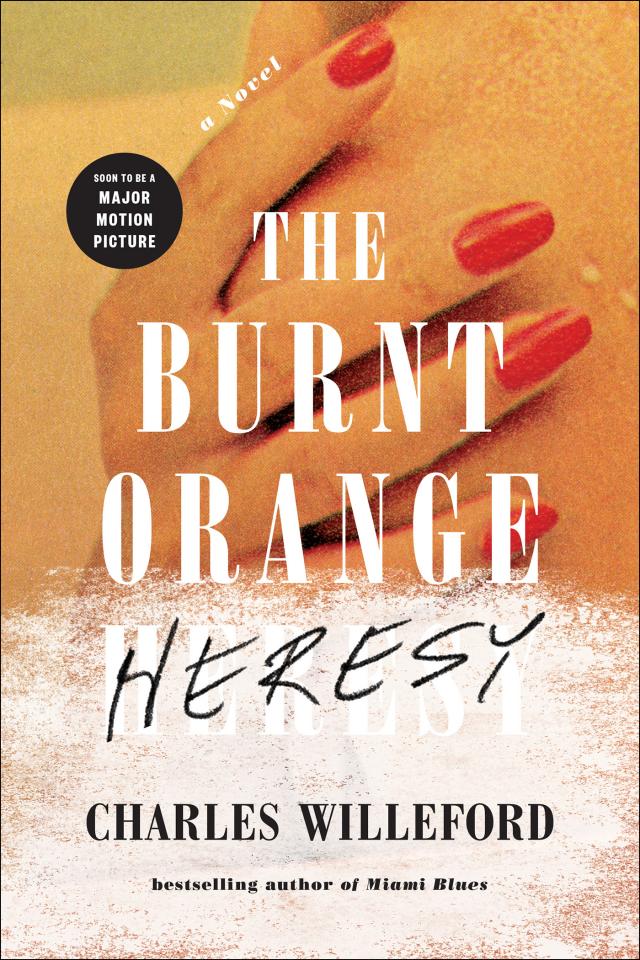
The classic neo-noir novel acclaimed as Willeford's best, soon to be a major film Fast-talking, backstabbing, womanizing, and fiercely ambitious art critic James Figueras will do anything—blackmail, burglary, and beyond—to make a name for himself. When an unscrupulous collector offers Figueras a career-making chance to interview Jacques Debierue, the greatest living—and most reclusive—artist, the critic must decide how far he will go to become the art-world celebrity he hungers to be. Will Figueras stop at the opportunity to skim some cream for himself or push beyond morality's limits to a bigger payoff? Crossing the art world with the underworld, Willeford creates a novel of dark hue and high aesthetic polish. The Burnt Orange Heresy—the 1970s crime classic now back in print—has lost none of its savage delights as it re-creates the making of a murderer, calmly and with exquisite tension, while satirizing...
Read online
  • 683
Deliver Me From Dallas!

Deliver Me From Dallas!

Charles Willeford

Charles Willeford

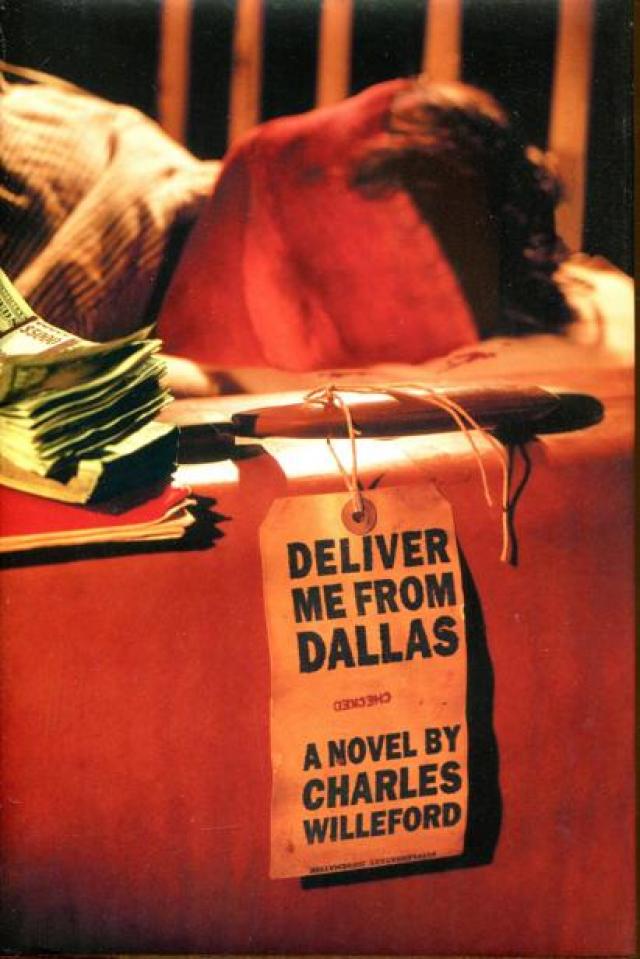
Bill Brown is a savvy, mostly honest cop who, on his first morning back on the job after having been busted back down to traffic patrol, punches a motorist (maybe to death) and flees L.A for Dallas. No sooner is Brown on Texas soil than he's mixed up in the kidnapping of a local girl by a trio of bumbling but psychotic and increasingly desperate hillbillies. But it's the victim's wealthy family and their sense of frontier justice that could end up most hazardous to Brown's search for safe haven.In 1961 amid the heyday of post-World War II testosterone-driven, mean streets fiction, Gold Medal published a typically lurid paperback original entitled The Whip Hand. The cover of the book, whose artwork and blurbs promised the requisite amount of blood & guts, sleaze, and dangerous sex, named the author as one W. Franklin Sanders. Thirty years later, in 1991, after a serendipitous chain of literary events, outlined by Texas writer Jesse Sublett in his introduction to the present volume, it appears almost certain that Franklin Sanders had more than a little help in writing The Whip Hand, which was originally titled Deliver Me from Dallas!, and bore the joint bylines of W. Franklin Sanders and one Charles Willeford, since gone on to make good in the hard-boiled and larger worlds of literary derring-do with distinction. Actually, as Sublett further points out, judging by internal evidences of theme, style, and content, the most likely scenario for the actual crafting of the novel points very strongly toward Willeford as the writer who did most of the work on the original manuscript, which was found among his papers after his death in 1988.By all accounts, Willeford was unaware that Sanders later rewrote parts of the manuscript, tacked on a longer introduction (or had one tacked on for him by one of the editors at Gold Medal, a common occurrence in those days of paperback editors who were more meddlesome than helpful), actually sold the book, and saw it published in 1961 Willeford never once mentioned such knowledge to any of his acquaintances or intimates, and it’s not a situation that he would have shied away from or disavowed, had he known of the book’s existence..So here, a few decades later than it should have been published, is Charles Willeford’s first novel, Deliver Me from Dallas!; a long-buried pulp classic fortuitously unearthed for aficionados of tough-guy American lit. Written like they don’t write them any more. Too bad for us.From Publishers WeeklyAlthough an earlier version was first published as Whip Hand by W. Franklin Sanders in 1961, the publisher declares this to be the original Deliver Me from Dallas!, for which the late Charles Willeford (Shark-Infested Custard, the Hoke Moseley series, etc.) deserves full credit. (Confused? All is explained in Jesse Sublett's introduction.) Ex-cop Bill Brown flees L.A. for Dallas, where he runs into all manner of trouble, including some murderous hillbilly kidnappers and a woman who wields a mean bullwhip. This hardboiled yarn is remarkably well constructed and should find an enthusiastic audience among aficionados of Jim Thompson and the like.
Read online
  • 651
I Was Looking for a Street

I Was Looking for a Street

Charles Willeford

Charles Willeford

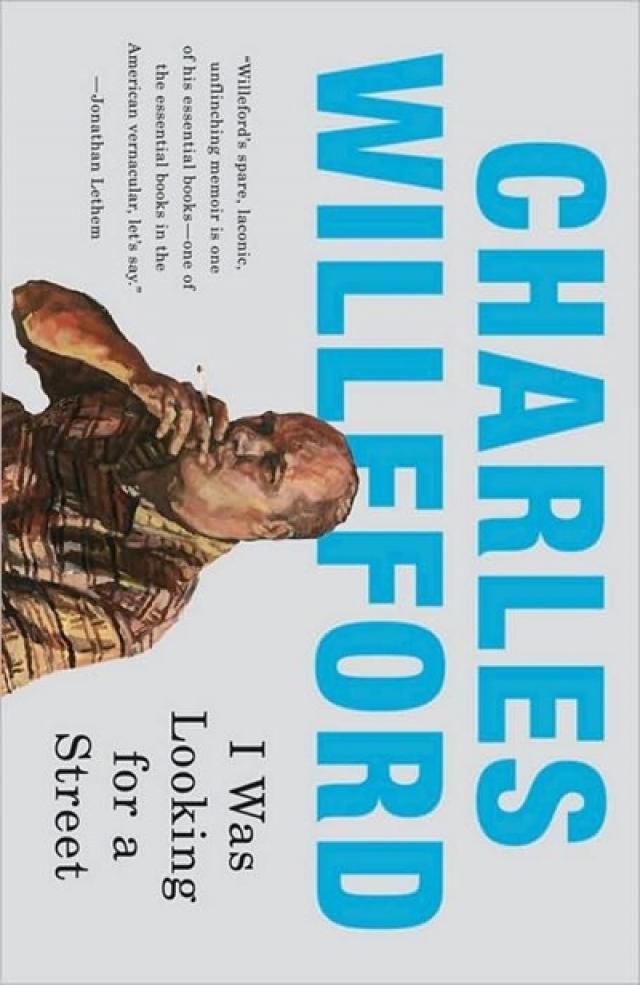
"I'm proud to say I knew the man who wrote this book," writes Elmore Leonard of cult crime writer Charles Willeford's moving memoir of his youth. "It is pure writing, never pretentious or forced, never melodramatic, but honest storytelling of the highest order. This is how to do it, if anyone wants to know: how to write simple prose from a young boy's point of view and hold the reader spellbound." I Was Looking for a Street tells the story of the author's childhood and adolescence as an orphan, as he moves from railroad yards to hobo tent cities, to soup kitchens and deserts around Los Angeles and across the United States. The ensuing tale is at once a picaresque adventure through Depression-era America and a portrait of the writer as a young man of seemingly little promise but great spirit. Written after Willeford's later literary success with Cockfighter, Miami Bluesand The Woman Chaser, this memoir is the work of a writer at the height of his powers, looking back without nostalgia or regret, and preserving in his clear and powerful prose the great American adventure of his youth. "Willeford's spare, laconic, unflinching memoir is one of his essential books—one of the essential books in the American vernacular, let's say."—Jonathan Lethem
Read online
  • 643
Miami Blues

Miami Blues

Charles Willeford

Charles Willeford

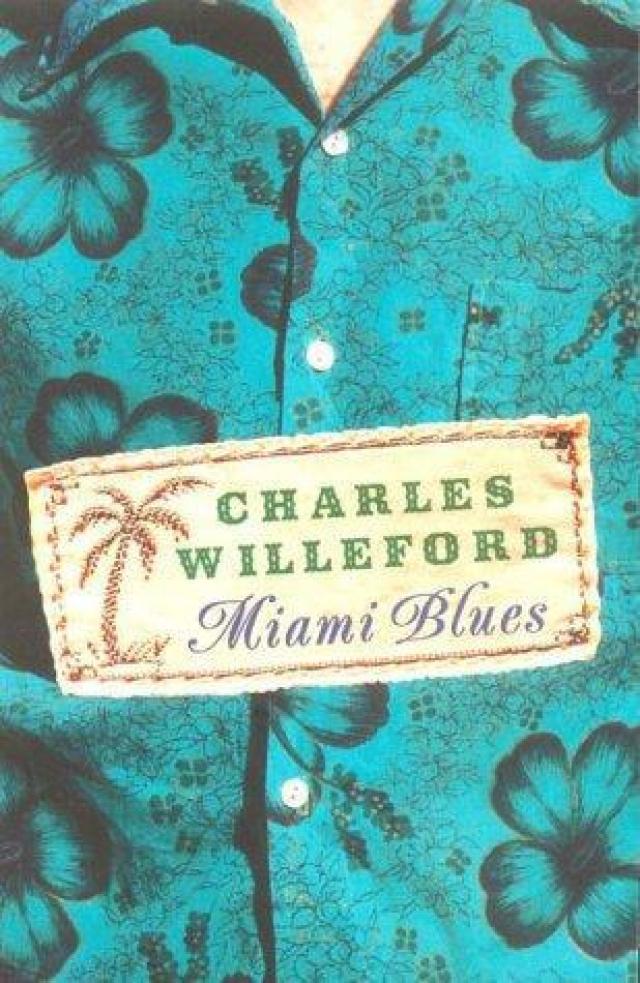
After a brutal day investigating a quadruple homicide, Detective Hoke Moseley settles into his room at the un-illustrious El Dorado Hotel and nurses a glass of brandy. With his guard down, he doesn’t think twice when he hears a knock on the door. The next day, he finds himself in the hospital, badly bruised and with his jaw wired shut. He thinks back over ten years of cases wondering who would want to beat him into unconsciousness, steal his gun and badge, and most importantly, make off with his prized dentures. But the pieces never quite add up to revenge, and the few clues he has keep connecting to a dimwitted hooker, and her ex-con boyfriend and the bizarre murder of a Hare Krishna pimp.Chronically depressed, constantly strapped for money, always willing to bend the rules a bit, Hoke Moseley is hardly what you think of as the perfect cop, but he is one of the the greatest detective creations of all time.“If you are looking for a master’s insight into the humid decadence of South Florida and its polygot tribes, nobody does it better than Mr. Willeford.” —The New York Times Book Review“Extraordinarily winning.... Pure pleasure.... Mr. Willeford never puts a foot wrong.” —The New Yorker“No one write a better crime novel than Charles Willeford.” —Elmore Leonard“A tempo so relentless, words practically fly off the page.” —The Village Voice“A Graham Greene-like entertainment, but tougher and funnier, softened by neither simile nor sentiment. This is probably as close to the real now Miami as any thriller is likely to come.” --Donald Justice“Terse, scary, and evocative, Miami Blues is a thriller with cold blood.... Snap up Miami Blues.” --The Philadelphia Inquirer“Nobody writes like Charles Willeford ... he is an original–funny and weird and wonderful.” --James Crumley“A nasty crime-comedy that’s full of casual violence, outrageous coincidences, and hilariously rude dialogue.... Willeford has a marvelously deadpan way with losers on both sides of the law.” --Kirkus Reviews“Absolutely brilliant in every regard–the definitive Miami novel.” --Stanley Ellin“Bone-deep satire ... terrific.” --Publishers Weekly“A marvelous read. Do yourself a favor and go buy Miami Blues immediately.” --Harry Crews“Hoke Moseley is a magnificently battered hero. Willeford brings him to us lean and hard and brand-new.” --Donald E. Westlake
Read online
  • 611
High Priest of California & Wild Wives: Two Novels

High Priest of California & Wild Wives: Two Novels

Charles Willeford

Charles Willeford

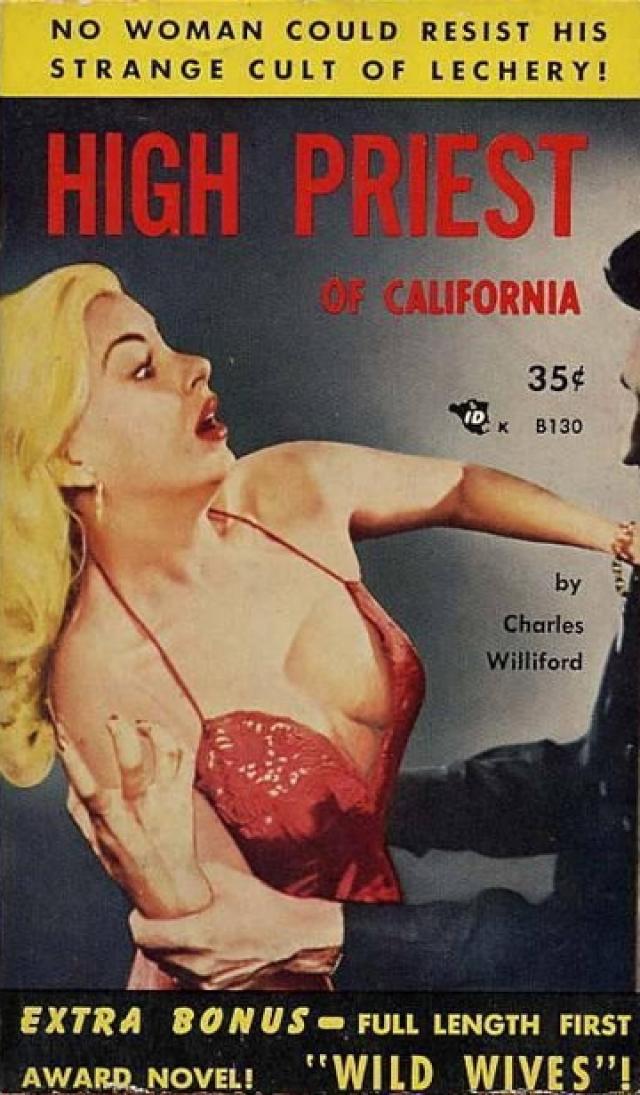
In the darkest hard-boiled tradition Charles Willeford mixes sex, brutality, deception and crime in his classic amoral pulp novels of the early 1950s.In his first published novel, The High Priest of California is Russell Haxby, a “smiling villain:” treacherous, lecherous–a beast (a wolf in a suit), a used car salesman in love with the world, a monster of life obsessed by women, by the pursuit of women, by one particular woman–a tragic woman. Simply stated, this book is the tale of a man bent on destruction for gratification. Haxby wants what he wants and will get what he wants whatever the consequences. No, this is a book about consequences; about how to dodge consequences at all costs in order to preserve one’s solitude. This is not your typical noir, crime, pulp novel–it’s the study of a character and immersion into the mind of a sociopath.In Wild Wives Jake Blake is a private detective short on cash when he meets a rich and beautiful young woman looking to escape her father’s smothering influence. Unfortunately for Jake, the smothering influence includes two thugs hired to protect her—and the woman is in fact not the daughter of the man she wants to escape, but his wife. Now Jake has two angry thugs and one jealous husband on his case. As Jake becomes more deeply involved with this glamorous and possibly crazy woman, he becomes entangled in a web of deceit, intrigue—and multiple murders.With brilliant, sardonic writing full of vile surprises and deep characterizations of near-psychopaths and their victims caught in complex webs of fantasy and futility, Charles Willeford created a world in which the predatory cannibalism of American capitalism provides the model for all human relations, in which the American success ethic mercilessly casts aside all who are unable or unwilling to compete, and in which the innate human appreciation of artistic beauty is cruelly distorted by the exigencies of mass culture. Enter the muck.
Read online
  • 527
Made in Miami

Made in Miami

Charles Willeford

Charles Willeford

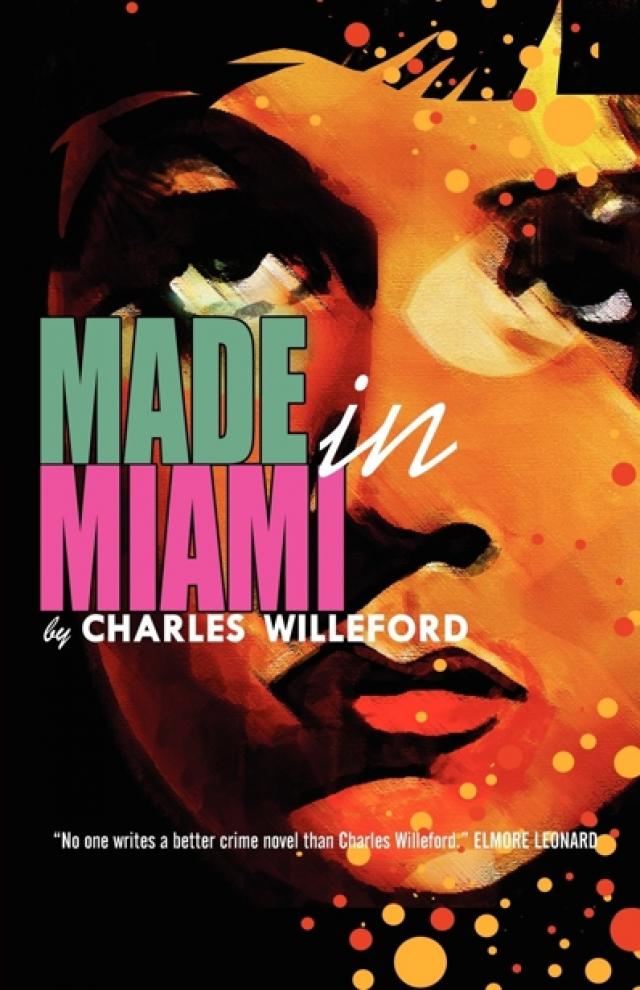
Art student Ralph Tone is working in Miami as a bellboy. He meets Hollywood hopeful Maria Duigan and falls head over heels for the ambitious beauty. As Ralph fuels his obsession by booze, pills, and lack of sleep, they both quickly become entangled with sleazy pornographer Donald McKay. Charles Willeford's Made in Miami was originally released to the unsuspecting masses in 1958 under the title Lust is a Woman by a publisher incapable of spelling the author's name correctly on the cover. Written in white heat by "the unlikely father of Miami crime fiction" (Atlantic Monthly) to match the requirements of the market, the book remains a textbook example of lurid 1950s pulp fiction. It was also a springboard to the author's later masterpieces Miami Blues and Sideswipe.
Read online
  • 458
Grimhaven

Grimhaven

Charles Willeford

Charles Willeford

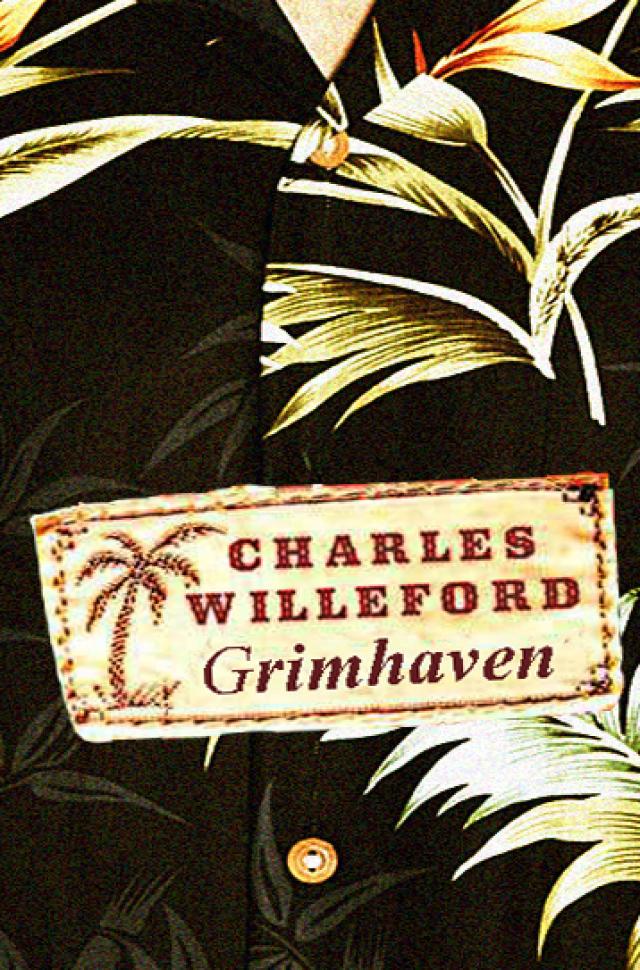
A compelling and disturbing alternate sequel to Miami Blues, Charles Willeford's little-known attempt to torch his career in less than 200 pages is a small masterpiece of pitch black humor, existential dread and true absurdist horror.Hoke Moseley has simplified his life. Following the bloody climax of Miami Blues he has run as far away as he can from the second bullet he put in Freddy Frenger, the one that took the killing past self-defense. He's quit the Miami Police Department and relocated to Singer Island to work in his father's hardware store and live a monastic life of rigid routine. He has two poplin yellow jumpsuits, $100 a week income, a small apartment, no booze, no cigarettes, a stew for dinner every night and a beachfront exercise regimen. A simple existence. Until the arrival of his two teenage daughters, the girls he hasn't seen in ten years, who permeate and complicate every aspect of his streamlined austerity -- which turns out to be the only thing holding him together.Grimhaven was Charles Willeford's initial response to the solicitation of a sequel to the surprise success of Miami Blues. Not even shown to publishers before calmer heads prevailed and Willeford steered Hoke through three subsequent novels, it remains a fascinating portrait of a writer who arrived at a commercial and artistic crossroads and took the dark and crooked path before doubling back and proceeding down safer lanes. But for a brief moment Willeford made his most popular, most commercial creation over in the tradition of some of his most complex and morally ambiguous characters, placing him squarely in his darkly drawn rogues gallery alongside Russell Haxby, Harry Jordan, Sam Springer, Jacob Blake, James Figueras, Johnny Shaw and finally, by the end, Freddy Frenger.Ray Banks called it "the ultimate transgressive novel." Lee Goldberg called it "a calculated fuck you to the character, the publisher, the readers and his career." Betsy Willeford simply called it "the black Hoke Moseley" novel. It's an often chilling, often hilarious, nearly lost act of aggression from one of American literature's authorities on the subject.
Read online
  • 384


The Woman Chaser

The Woman Chaser

Charles Willeford

Charles Willeford

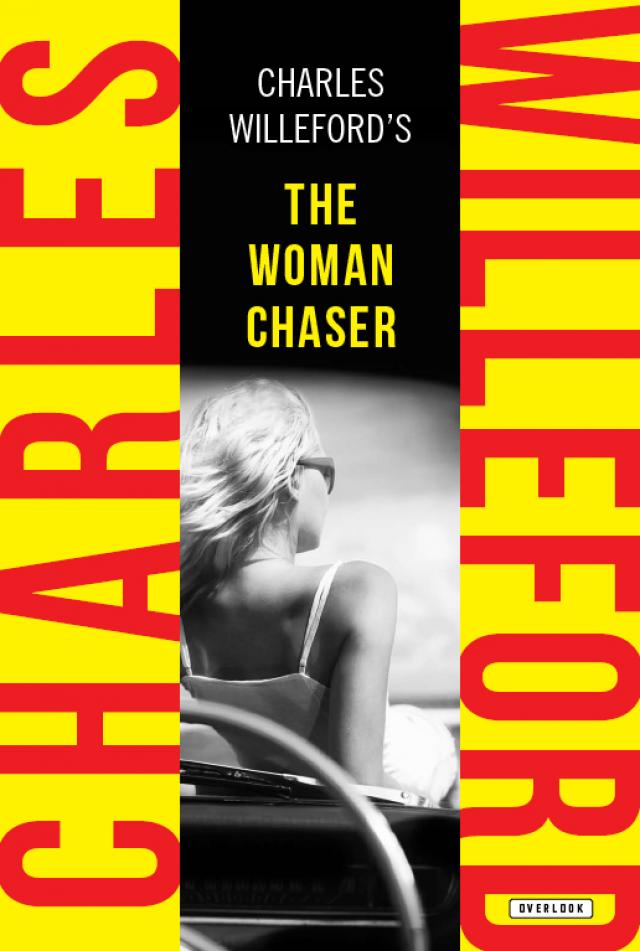
In post-World War II Los Angeles, a disillusioned used car salesman seeks revenge after his attempt to make the great American film fails miserably.Richard Hudson, woman chaser and used car salesman, has a pimp's awareness of the ways women (and men) are most vulnerable. One day Richard decides to make an ambitious film, which turns into a fiasco. Enraged, he exacts revenge on all who have crossed him.Praise for The Woman Chaser"A pitilessly hilarious dissection of the American male psyche." —Chicago Tribune"The most eloquently brainy and exacting pulp-fiction ever fabricated!"—Village Voice
Read online
  • 315
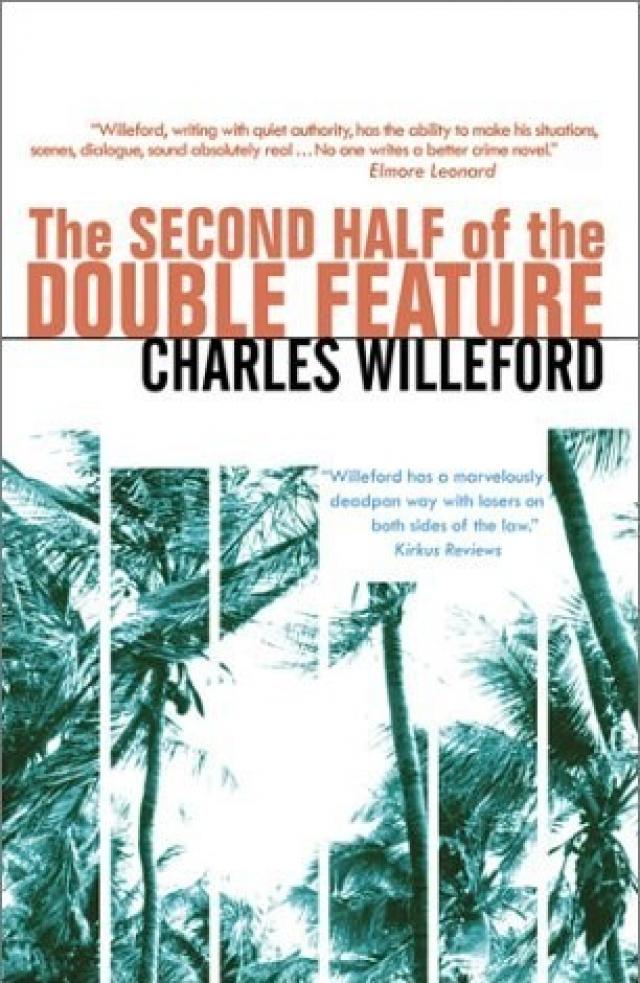
The Second Half of the Double Feature

The Second Half of the Double Feature

Charles Willeford

Charles Willeford

In this new collection of short stories, vignettes and autobiographical sketches-many previously unpublished-Charles Willeford, author of Miami Blues and The Burnt Orange Heresy creates a mosaic of the absurdities of life in the 20th century. From a malicious grandmother to prophetic depictions of the power of reality television, with his wry humor and sudden shifts to violence, Willeford seduces, amuses and repeatedly surprises you. This expanded edition adds Willeford's complete published poetry, as well as nearly 50 previously unpublished poems and two plays.
Read online
  • 313
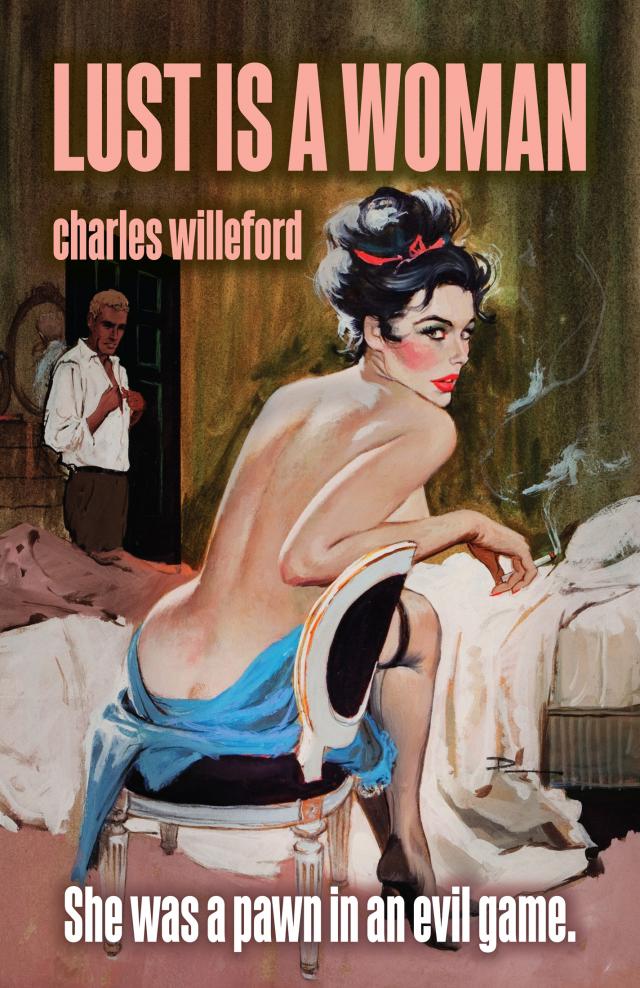
Lust is a Woman

Lust is a Woman

Charles Willeford

Charles Willeford

She was a perfectly nice girl, this Maria Dugan—though possibly a little too attractive for her own good. Craving a vacation that would really furnish thrills and excitement, she decided to treat herself to a couple of weeks in fabled Miami. There she soon learned that the only way to interest a man was to treat him better than the other pretty vacationers did. Maria’s shocked girl-friend, Peggy, went back to New York. But Maria decided to play it alone . . . .So she found herself on a yacht, passing delightful hours with sleek experienced Donald McKay. Then Donald induced her to go to that mysterious mansion in the Everglades, the one that jaded old me and young ne’er-do-wells loved to visit in secret.Features a new introduction as well as a review of Charles Willeford's Beacon books from the October 1958 edition of Nugget magazine.
Read online
  • 252
Writing & Other Bloodsports

Writing & Other Bloodsports

Charles Willeford

Charles Willeford

Charles Willeford was a man of letters, in all senses of the word. Poet, essayist, short story writer, novelist and ranconteur, his early paperback original novels with their existential/immobilized heroes were the creations (to paraphrase Chandler) of a man not himself immobilized—a man who, instead, with his trademark black-humored prose, doggedly examined the mind-thrumming banalities of our materially sated but intellectually befuddled post-War world, crafting a body of work that is only now, fifty-some years after his first appearance in print, beginning to be widely appreciated as a series of guidebooks on how to live in an absurd universe.Writing & Other Blood Sports contains autobiographical essays, profiles of, and opinions about, fellow writers (“The Big White Smile” [1964] is the first critical article written on John D. MacDonald; in “Chester Himes and His Novels of Absurdity” he pays tribute to an immobilized and self-exiled writer’s dissections of humanity’s foibles; while “Jim Tully: Holistic Barbarian” makes the case for taking another look at the founder of the hard-boiled school (now forgotten because he didn’t write genre fiction), and commentaries on Willeford himself by both critics and friends. The collection culminates with the book-length study New Forms of Ugly: The Immobilized Hero in Modern Fiction, wherein Willeford follows the development of this “new hero” from Dostoyevsky’s Mole Man to Saul Bellow’s Moses Herzog.Charles Willeford observed people and events without sentimentality, but was always empathetic. He thought deeply about what we’re all doing (and not doing) here, and his insights and opinions are worth all our whiles to ponder.“The novel is a case history of the writer. It is the story of his life written as well as he can write it. It never ends; it goes on day after day, year after year. He is his own hero, his own heroine, his villain, his minor characters—the thoughts of each of these are his own thoughts twisting and churning and wrenched alive and crawling from his conscious and unconscious mind. He writes because he must, because to fail as a writer means to fail as a man.... When I first began to write it was an act of desperation. It was a blind search, and at first every trail I followed led to the inside of a deep cave. I was searching with my conscious mind instead of my heart. I attempted style after style, writing feeble imitations of the men I worshipped: Thomas Wolfe, Joyce, Kafka, Hemingway. Naturally, my words were pallid, meaningless words. The paper I wasted would have had better use in the bathroom.... The more I tried to conform to the formula the more hopeless it all appeared. I lost all hope; I reached the point where I no longer cared what people thought about my writing. And that is when I began to write.... If -you have daring, if you have durability, if you have the patience to follow the detours and dictates of your heart; if you want that mysterious, elusive thing called ‘art’, you can also achieve it.“It just takes longer, that’s all.”—Charles Willeford, “Writing as an Art”
Read online
  • 180
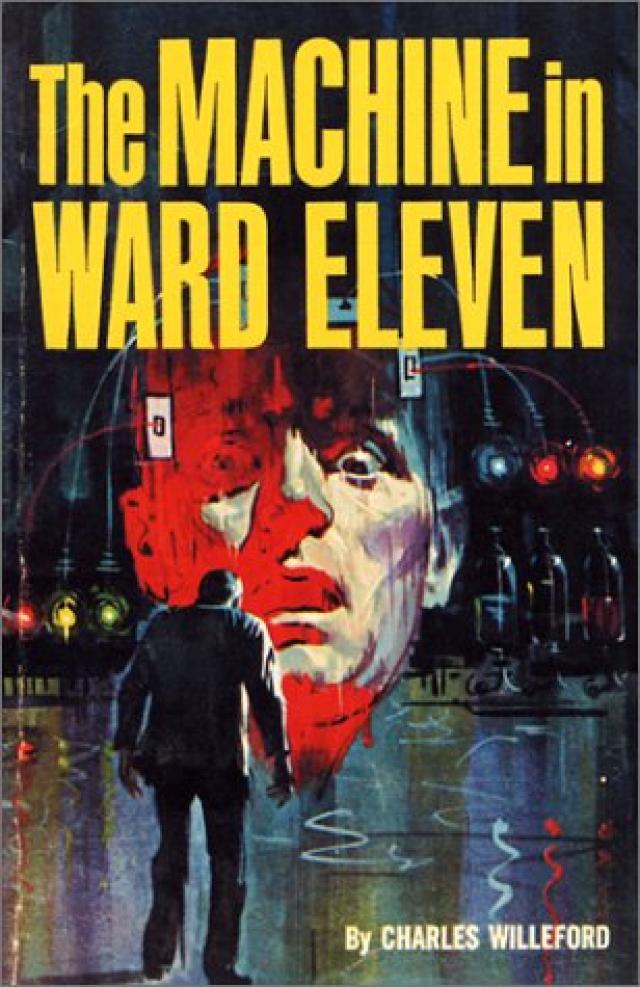
The Machine in Ward Eleven

The Machine in Ward Eleven

Charles Willeford

Charles Willeford

The re-issue of Willeford’s 1963 pulp classic features six incisive tales as fresh as the day they were first published. These stories are a timely reminder that madness is truly at the heart of 21st century politics.Writing at a time when we still had some faith in our elected leaders, Willeford laid bare the American Dream. Events over the last 30-odd years have stripped away the hype and pomp but Willeford was there first. There is an almost Chekhovian wistfulness in the treatment of his stories which belies their considerable impact. Don’t make the mistake of consigning this to some sort of historical context: Willeford is as chilling and relevant as ever.‘I had a hunch that madness was a predominant theme and normal condition for Americans living in the second half of this century.’ -CHARLES WILLEFORD, talking about his 1963 paranoid classic, The Machine In Ward Eleven"The wierdest tale that has been published in America since Edgar Allen Poe."-Science Fiction Quarterly
Read online
  • 169
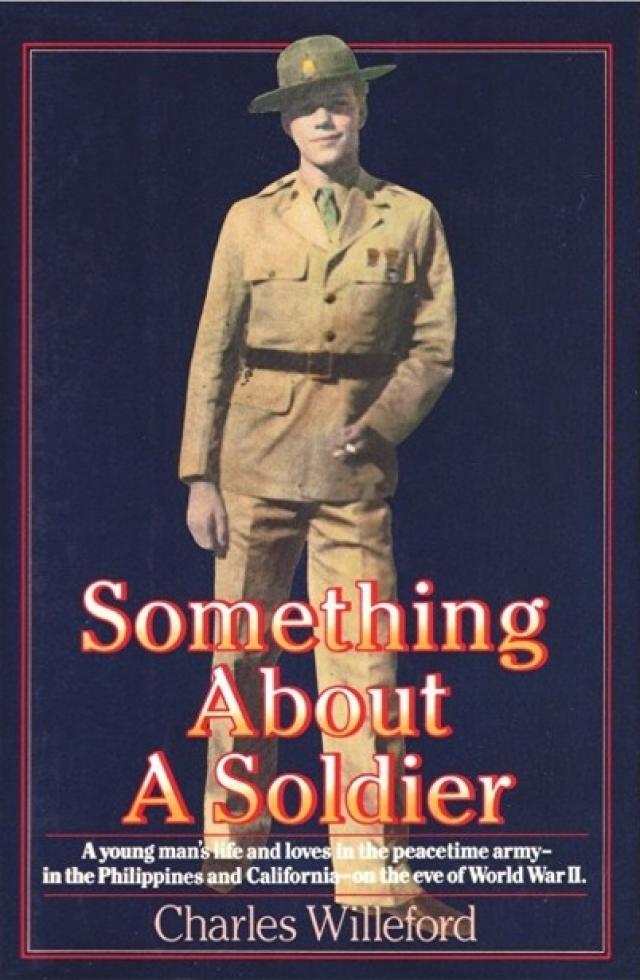
Something About a Soldier

Something About a Soldier

Charles Willeford

Charles Willeford

When Charles Willeford joined the Army in 1935, he was sixteen years old—and he had to add two years to his age on the application to get in. From postings in the Philippine jungles to the California coast, from fueling details on modern warplanes to shoeing cavalry horses, the young recruit lusted, brawled, and came of age by applying himself to the timeless rules of all military life: live right, work hard, and all the good things will eventually come to you. His story is exactly like millions of others—yet totally special, told with a novelist’s eye and a poet’s heart.“Mr. Willeford never puts a wrong foot forward. Truly an entertainment to relish. [His] recollections of America in the nineteen-thirties are as exotic as his recollections of the Philippines... .The alert, ignorant, literary recruit becomes , a marvelous guide to the masculine ghetto that was our old peacetime army.”—The New Yorker“His journal of memories will delight...and perhaps surprise post-war soldiers with its account of the hard ways of The Old Army.”—The San Diego Tribune“[An] engaging recollection of an era long since vanished.... Mr. Willeford ... introduces us to an Army different from the Army James Jones wrote about in From Here to Eternity. It may well be a more authentic account.” —The Baltimore Sun“Those of us who revel in good writing should read this book even if we have never hefted a gun nor laced a boot. It is a simple but brilliant gimmick: A good, adult writer pretending to be a kid again and writing like one. And it works. Oh, how it works.”—The News and Observer Raleigh, N.C.“Most soldier’s stories derive their sting from war-time thrills and tragedies. Willeford has turned this around and demonstrated that in peace, as in war, the military life brings out the best, the worst, the most humorous, and the most pathetic in men.”—Kirkus Reviews"Hard-boiled and certainly authentic ... so brutally frank about drinking and whoring in the pre-Pearl Harbor Army that it becomes hilarious when the author remarks, "If a man wasn't careful the Army could coarsen him, and I had to protect my sensitivity if I was ever going to write anything first-rate."—Publisher's Weekly“Absolutely brilliant in every regard.”—Stanley Elkin“Willeford, writing with quiet authority, has the ability to make his situations, scenes, dialogue, sound absolutely real.”—Elmore Leonard
Read online
  • 109
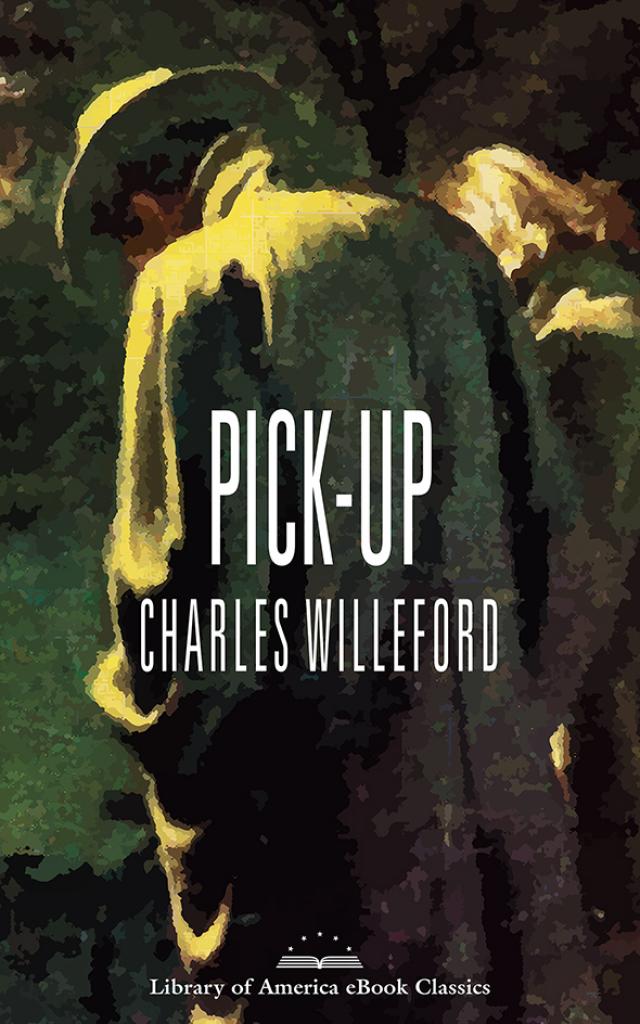
Pick-Up

Pick-Up

Charles Willeford

Charles Willeford

First published as an unheralded paperback original, Pick-Up is an authentic underground classic, an explosive bulletin from the urban underbelly of mid-1950s America. It was Charles Willeford's second novel, after a rough and wandering earlier life that had taken him from Depression-era hobo camps and soup kitchens to wartime battlefields. The unblinking story of two lost and self-destructive drifters—a failed painter working as a counterman in a cheap diner and a woman in flight from domestic violence—trying to find a place for themselves in the back streets of San Francisco, Pick-Up is hardboiled writing at its nihilistic best: Willeford's preferred title for the book was Until I Am Dead. Its bleak vision of life beyond the edge is haunted by rape, racism, alcoholism, suicide, and inescapable poverty, yet shot through with a tenderness and compassion sustained against all odds in a society offering few breaks to its outcasts and misfits....
Read online
  • 73
New Hope for the Dead

New Hope for the Dead

Charles Willeford

Charles Willeford

Miami homicide detective Hoke Moseley is called to a posh Miami neighborhood to investigate a lethal overdose. There he meets the alluring stepmother of the decedant, and begins to wonder about dating a witness. Meanwile, he has been threatened with suspension by his ambitious new chief unless he leaves his beloved, if squalid, suite at the El Dorado Hotel, and moves downtown. With free housing hard to come by, Hoke is desperate to find a new place to live. His difficulties are only amplified by an assignment to re-investigate fifty unsolved murders, the unexpected arrival of his two teenage daughters, and a partner struggling with an unwanted pregnancy. With few options and even fewer dollars, he decides that the suspicious and beautiful stepmother of the dead junkie might be a compromised solution to all of his problems.Packed with atmosphere and humor, New Hope for the Dead is a classic murder mystery by one of the true masters of the genre. Now back in print, Charles Willeford’s tour de force is an irresistible invitation to become acquainted with one of the greatest detective characters of all time.From the Trade Paperback edition.From Publishers WeeklySgt. Hoke Moseley, whom readers first met in Willeford's Miami Blues, is an unlikely hero, even to himself. He's a Miami cop, near retirement, who's always taking out or putting in his dentures; he dines regularly on 711 Slurpees and hard-boiled eggs; and he has a strict moral code flexible enough for him to let someone get away with a hard-to-prove murder in exchange for a sublet on a house he badly needs. Here, Moseley wants to solve the murder of a junkie whose death looks like an accidental overdose, but the zeal of his pursuit is tempered by manifold obstacles: his ex-wife's sudden decision to impose upon him the disruptive custody of his two teenage daughters, his boss's insistence that he clear up a file of old, unsolved crimes, and his new partner's worries over an unexpected first pregnancy. This is a telling slice of Miami life, only coincidentally cop-life, whose gritty realism contributes to a good read. December 31Copyright 1985 Reed Business Information, Inc. Review"A top-notch crime novel... both tough and funny."- *The Washington Post*"No one writes a better crime novel than Charles Willeford."- Elmore Leonard"Pure pleasure... Mr. Willeford never puts a foot wrong."- *The New Yorker*"Nobody writes like Charles Willeford... He is an original—funny, weird, and wonderful."- James CrumleyFrom the Trade Paperback edition.
Read online
  • 64
183