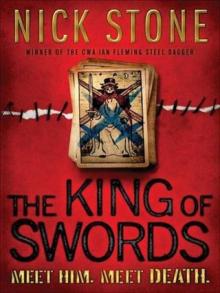
Mr. Clarinet, page 1


Mr. Clarinet
Nick Stone
Mr. Clarinet
A Novel
Nick Stone
For Hyacinth and Seb
And in loving memory of Philomčne Paul (Fofo), Ben Cawdry, Adrian "Skip" Skipsey, and my grandmother
Mary Stone
Yo byen konté, Yo mal kalkilé.
(Haitian saying)
Contents
Epigraph
PROLOGUE
TEN MILLION DOLLARS if he performed a miracle and brought
Part 1
Chapter 1
HONESTY AND STRAIGHTFORWARDNESS weren't always the best options, but Max
Chapter 2
BACK IN MIAMI, Max took a cab from the airport
Chapter 3
MAX HAD KNOWN Joe for twenty-five years. They'd started out
Chapter 4
AT THE HOTEL, Max took a shower and tried to
Chapter 5
CLYDE BEESON HAD fallen far. Life hadn't just kicked him
Chapter 6
MAX DROVE BACK to Miami and headed for Little Haiti.
Part 2
Chapter 7
THE FLIGHT OUT to Haiti was held up for an
Chapter 8
THE ROAD AWAY from the airport was long, dusty, and
Chapter 9
NIGHT FELL QUICKLY in Haiti. One minute it was late
Chapter 10
THE MEN FROM the airport picked Max up for dinner.
Chapter 11
DINNER WAS SERVED by two maids in black uniforms with
Chapter 12
BACK IN THE car, heading down the mountain to Pétionville,
Chapter 13
MAX LEFT LA COUPOLE at around two a.m. The Barbancourt
Chapter 14
WHEN THEY WERE gone, he stumbled around the now-empty streets,
Chapter 15
MAX WASHED HIS face and shaved and made more coffee.
Part 3
Chapter 16
"MAX, YOU STINK," Chantale told him and laughed her dirty
Chapter 17
THEY DROVE DOWN Boulevard Harry Truman, a wide, palm treelined,
Chapter 18
THEY DROVE TO the Boulevard des Veuves, where Charlie had
Chapter 19
THE OLD WOMAN was as Francesca had described her, wearing
Chapter 20
"SO WHAT DO you think? Did Vincent Paul kidnap Charlie?"
Chapter 21
THE RUE BOYER had once been a gated community of
Chapter 22
A TEENAGE GIRL with a warm smile and braces on
Chapter 23
MAX OPENED HIS notebook and pressed RECORD.
Chapter 24
THEY HEADED BACK to the bank, Max at the wheel
Chapter 25
HE CALLED ALLAIN Carver from the house and gave him
Chapter 26
NO MATTER WHAT Huxley and Chantale had told him about
Chapter 27
HE FOLLOWED THE convoy to a clearing near the sea,
Chapter 28
IN THE LATE afternoon, Vincent Paul got into a jeep
Chapter 29
WHAT PASSED FOR nightlife in Pétionville was in full swing
Chapter 30
MAX CALLED ALLAIN Carver the next morning and told him
Chapter 31
NWOI ET ROUGE was named after the colors of the
Chapter 32
CHANTALE DROVE MAX to a café where she ordered a
Chapter 33
"IT'S NOT THAT we don't care. We doonly we
Chapter 34
THEY LEFT FOR Saut d'Eau at four a.m. the following
Chapter 35
TO MOST HAITIANS, Saut d'Eau is a place where the
Chapter 36
CLARINETTE WAS A village on its way to becoming a
Chapter 37
THE LEBALLECS LIVED half an hour away from the cemetery,
Chapter 38
WHEN THEY RETURNED to Clarinette, they asked anyone who looked
Chapter 39
IT WAS STILL dark when he got back, but the
Chapter 40
BEFORE SHE'D DISAPPEARED in November 1994, Claudette Thodore had lived
Chapter 41
"DO YOU STILL think Vincent Paul took Charlie?" Chantale asked
Chapter 42
MAX WAITED UNTIL nightfall; then he went around to the
Chapter 43
MAX CONSIDERED TELLING Allain about the tape, but he held
Part 4
Chapter 44
"HOW ARE YOU feeling?" Vincent Paul asked Max, after he'd
Chapter 45
"THE WOMAN YOU know as Francesca Carver was once called
Chapter 46
MAX WAS BLINDFOLDED and put in the back of an
Chapter 47
THERE WERE FIVE telephone messages waiting for himJoe, Allain,
Chapter 48
THE FOLLOWING EVENING Max watched Eloise being picked up outside
Chapter 49
MAX WAS COLLECTED by Paul's men shortly after three a.m.
Chapter 50
"CAN WE GET you anything Mister Co-da-da? Water? Coffee? Something
Chapter 51
ELOISE SHOT MAX a furtive look when he walked into
Chapter 52
"MAURICE FIRST MET Monsieur CarverGustavin the 1940s. He
Chapter 53
MAX PACED AROUND in the street outside the house, his
Chapter 54
THE NEXT MORNING Max woke up with the phone ringing
Chapter 55
GUSTAV CARVER SMILED warmly when he saw Max walk into
Chapter 56
ON HIS WAY back, Max stopped off at La Coupole,
Chapter 57
THE NEXT DAY he got a call from Allain, who
Chapter 58
"I'M SORRY ABOUT your mother, Chantale," Max said as they
Part 5
Chapter 59
BACK IN MIAMI, back at the Kendall Radisson Hotel. They
Chapter 60
DECEMBER 21: JOE called him just after eight a.m., to
Chapter 61
"VINCENT? IT'S MAX Mingus." The line wasn't good, a lot
Part 6
Chapter 62
CHANTALE HAD JUST finished loading two cases into the back
Chapter 63
CARVER'S BEACH HOUSE overlooked a tiny scrap of paradisea
Chapter 64
THE GIRLS CAME in first. Kreyol, laughter.
Chapter 65
HUXLEY DROVE. MAX sat next to him with the gun
Chapter 66
"MY SISTER PATRICEI used to call her 'Treese.' She
Chapter 67
CARL AND ERTHA were waiting for them by the door.
Chapter 68
EARLY THE NEXT morning, Vincent Paul, Francesca, and Charlie came
EPILOGUE
TWENTY MILLION DOLLARS in $100 bills.
ACKNOWLEDGMENTS
ABOUT THE AUTHOR
CREDITS
COVER
COPYRIGHT
ABOUT THE PUBLISHER
PROLOGUE
New York City, November 6, 1996
TEN MILLION DOLLARS if he performed a miracle and brought the boy back alive, five million dollars if he came back with just the body and another five million if he dragged the killers in with ittheir dead-or-alive status was immaterial, as long as they had the kid's blood on their hands.
Those were the terms and, if he chose to accept them, that was the deal.
* * *
Max Mingus was an ex-cop turned private investigator. Missing persons were his specialty, finding them his talent. Most people said he was the best in the businessor at least they had until April 17, 1989, the day he'd started a seven-year sentence in Attica for manslaughter and had his license permanently revoked.
The client's name was Allain Carver. His son's name was Charlie. Charlie was missing, presumed kidnapped.
Optimistically, with things going according to plan and ending happily for all concerned, Max was looking at riding off into the sunset a millionaire ten to fifteen times over. There were a lot of things he wouldn't have to worry about again, and he'd been doing a lot of worrying lately, nothing but worrying.
So far, so good, but now for the rest:
The case was based in Haiti.
"Haytee?" Max said as if he'd heard wrong.
"Yes," Carver replied.
Shit.
He knew this about Haiti: voodoo, AIDS, Papa Doc, Baby Doc, boat people, and, recently, an American military invasion called Operation Restore Democracy he'd seen on TV.
He knewor had knownquite a few Haitians, expats he'd had regular dealings with back when he'd been a cop and worked a case in Little Haiti, Miami. They hadn't had a decent thing to say about their homeland, "bad place" being the most common and kindest.
Nevertheless, he had fond memories of most of the Haitians he'd met. In fact, he'd admired them. They were honest, honorable, hardworking people who'd found themselves in the most unenviable place in Americabottom of the food chain, south of the poverty line, a lot of ground to make up.
That went for most of the Haitians he'd met. When it came to people, there were always plenty of exceptions to every generalization, and he'd come face-to-face with those. They hadn't left him with bad memories so much as the kind of wounds that never really healed, that opened up at the slightest nudge or touch.
The whole thing was already soundi ng like a bad idea. He'd just come out of one tough spot. Why go to another?
Money. That was why.
* * *
Charlie had disappeared on September 4, 1994, his third birthday. Nothing had been heard or seen of him since. There had been no ransom demands and there were no witnesses. The Carver family had had to call off its search for the boy after two weeks, because the U.S. Army had invaded the country and put it on lockdown, imposing curfews and travel restrictions on the whole population. The search hadn't resumed until late October, by which time the trail, already cold, had frozen over.
"There's one other thing," Carver said when he'd finished talking. "If you take the job, it's going to be dangerous . Make that very dangerous."
"How so?" Max asked.
"Your predecessors, they Things didn't turn out too right for them."
"They're dead?"
There was a pause. Carver's face turned grim and his skin lost a little of its color.
"No not dead," he said finally. "Worse. Much worse."
Part 1
Chapter 1
HONESTY AND STRAIGHTFORWARDNESS weren't always the best options, but Max chose them over bullshit as often as he could. It helped him sleep at night.
"I can't," he told Carver.
"Can't or won't?"
"I won't because I can't. I can't do it. You're asking me to look for a kid who went missing two years ago, in a country that went back to the Stone Age about the same time."
Carver managed a smile so faint it barely registered on his lips yet let Max know he was being considered unsophisticated. It also told Max what kind of rich he was dealing with. Not rich, richeold money, the worst; connections plugged in at every socket, all the lights on, everybody homemultistory bank vaults, fuck-off stockholdings, high-interest offshore accounts; first-name terms with everybody who's anybody in every walk of life, power to crush you to oblivion. These were people you never said no to, people you never failed.
"You've succeeded at far tougher assignments. You've performedmiracles," Carver said.
"I never raised the dead, Mr. Carver. I only dug 'em up."
"I'm ready for the worst."
"Not if you're talking to me," Max said. He regretted his bluntness. Prison had reformed his erstwhile tact and replaced it with coarseness. "In a way you're right. I've looked for ghosts in hellholes in my time, but they were American hellholes and there was always a bus out. I don't know your country. I've never been there andno disrespect meantI've never wanted to go there. Hell, they don't even speak English."
Then Carver told him about the money.
* * *
Max hadn't made a fortune as a private detective, but he'd done OKenough to get by and have a little extra to play with. His wife, who was a qualified accountant, had managed the business side of things. She'd put a fair bit of rainy-day money away in their three savings accounts, and they had points in The L Bar, a successful yuppie joint in downtown Miami, run by Frank Nunez, a retired cop friend of Max's. They'd owned their house and two cars outright, taken three vacations every year, and eaten at fancy restaurants once a month.
He'd had few personal expenses. His clothessuits for work and special occasions, khakis and T-shirts at all other timeswere always well cut but rarely expensive. He'd learned his lesson after his second case, when he'd got arterial spray on his five-hundred-dollar suit and had to surrender it to forensics, who later handed it to the DA, who recycled it in court as Exhibit D. He sent his wife flowers every week, bought her lavish presents on her birthday and at Christmas and on their anniversary; he was also generous to his closest friends. He had no addictions. He'd quit cigarettes and reefer when he'd left the force; booze had taken a little longer but that had gone out of his life too. Music was his only real indulgencejazz, swing, doo-wop, rock 'n' roll, soul, funk, and disco; he had five thousand CDs, vinyl albums, and singles he knew every note and lyric to. The most he'd ever spent was when he'd dropped four hundred bucks at an auction on an autographed original double ten-inch vinyl copy of Frank Sinatra's "In the Wee Small Hours of the Morning." He'd framed it and hung it in his study, opposite his desk. When his wife asked, he lied and told her he'd picked it up cheap at a house-repo sale in Orlando.